Astrobiology - Life Beyond Our Planet
Ancient Cultures and Visitors • Preparing for Contact With Life Beyond Earth • Quantum Biology and AI Genomes • Our Exploration of Space, What Will it Look Like • ⍙ - Takin' the Peas into 3008

Bridging the gap between panspermia and synthetic biology we can expand our idea of space exploration beyond traditional life-supporting "generation ships" toward a model of Biological Information Hardening and Spore Dispersion.
Could we bioengineer an organism to explore space...Reducing an organism to a "space-resistant spore" with retained memory requires solving three primary engineering hurdles: structural integrity, information preservation, and environmental adaptation.

1. The Spore Architecture: Multi-Layered Cryptobiosis. To survive the vacuum, extreme UV radiation, and cosmic rays of interstellar space, the organism would need a "chassis" inspired by something like Bacillus subtilis or Deinococcus radiodurans, but heavily augmented. Carbon-Nanotube Enveloping: Instead of a standard protein coat, the spore could be encased in a bio-polymerized carbon lattice. This provides a physical shield against micro-meteorites and high-energy particles.
Vitrification (Glassy State): The internal cytoplasm could be replaced with specialized sugars like trehalose or "disordered proteins" (TDPs). These turn the cell's interior into a biological glass, "freezing" all molecular motion and preventing the denaturing of proteins in the vacuum of Space. Self-Healing Antioxidants: Loading the spore with something like C60 or manganese-peptide complexes could allow it to chemically neutralize the oxidative stress caused by ionizing radiation, essentially "self-healing" its chemical bonds in real-time.
2. The Memory Problem: DNA as Non-Volatile Storage. Standard "neural memory" (synaptic weights) cannot survive the transition to a spore state. To maintain identity or mission parameters, the data must be transcoded into the genome. Epigenetic Hardening: Memories could be encoded as high-density methylation patterns. Upon "germination," these markers would direct the growth of the new nervous system, effectively "pre-wiring" the organism with its previous knowledge.
DNA Data Storage: Using CRISPR-Cas systems, information can be written into non-coding DNA as a digital archive. Terabytes of technical data or "ancestral" records could potentially be stored directly within the spore genome. Parity Checks: To fight cosmic-ray bit-flips (mutations), the system would need multi-copy redundancy. The spore could carry thousands of identical copies of its core "memory-genome," with a biochemical "consensus engine" that repairs damaged sequences by comparing them against the healthy ones.
3. "Bio-Augmentation" Based Germination. The most advanced part of this theory is the idea of a Phenotypic Plasticity Engine. The spore doesn't just "wake up"—it scans its environment before choosing which body-form to grow from those stored in it's genome or which type of organism to synergize with if adopting an endophyte strategy. Metabolic Sensing: Upon landing, the spore surface receptors analyze the local chemistry (e.g., sulfur-rich vs. nitrogen-rich) before genes are selected for expression.
Modular Gene Expression: Instead of a fixed genomic expression pattern, the spore carries "library modules" for different biomes. If it lands on a high-gravity world with a liquid methane ocean, it activates its extremophile module, building a silicon-based lipid organism or specialized sulfur-metabolizing pathways. Hybridization Scenarios: Similar to how certain microbes incorporate local DNA through horizontal gene transfer, this "Space Spore" could be engineered to "bioprospect" local life-forms, integrating adaptations into a newly grown organic chassis or symbiotic partner organism.

4. Galactic Dissemination. In this scenario, exploration is no longer about "traveling" but about broadcasting using signal or beamed energy. A civilization could launch billions of these 10-micron spores at relativistic speeds using laser-sails or other directed energy acceleration architectures. Scientific Note: Unlike a human crew, these "Biological Data Packets" require zero life support for thousands of years. They represent the ultimate convergence of synthetic biotechnology, signal processing (as biological data AND propulsion), and the convergence of space exploration and bioprospecting.
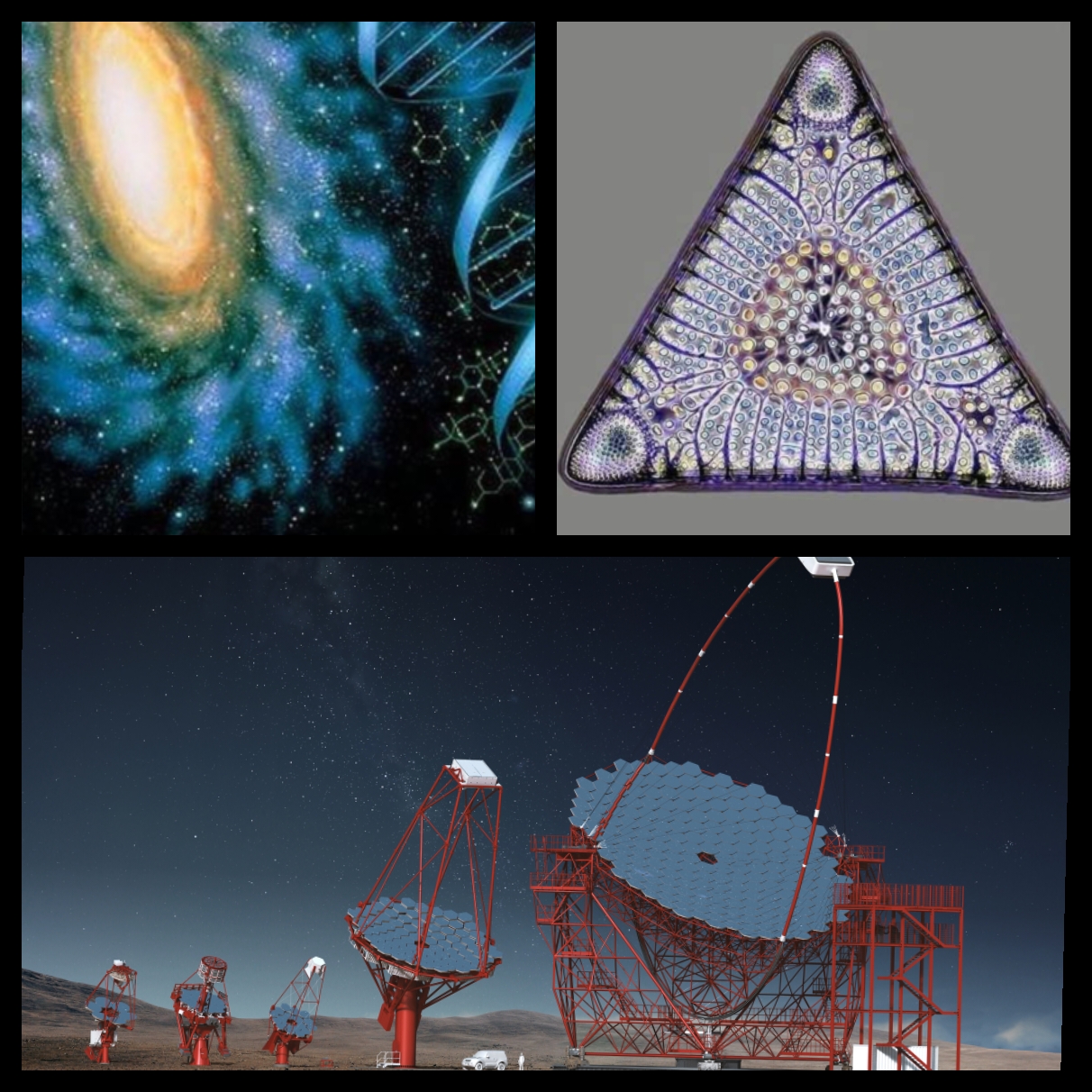
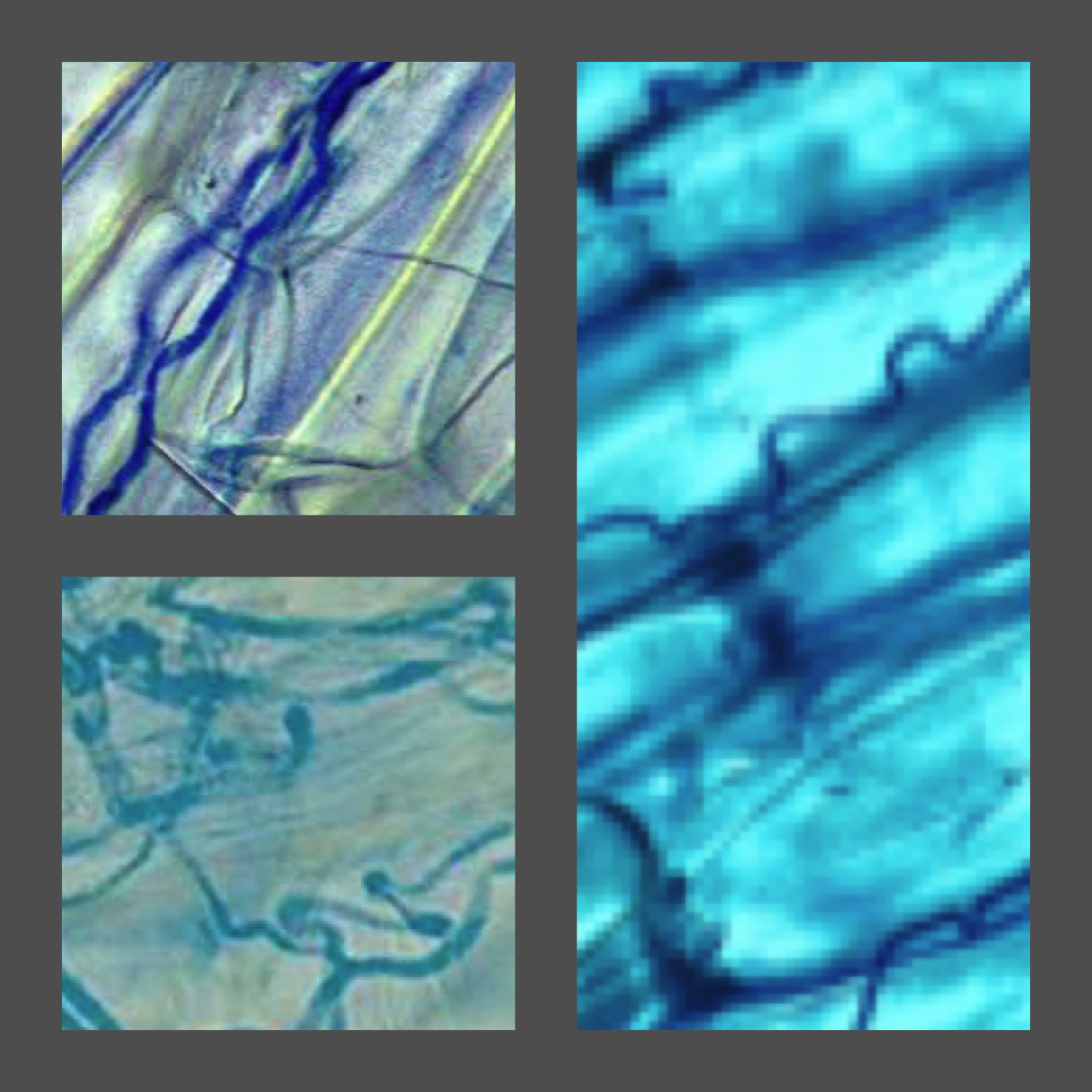
Adaptive Hybridization. In xenomorphic health, this is the point where the distinction between "host" and "endophyte" begins to dissolve into a singular, high-functioning biological unit.
Signal sweetspots can act as a biological resonators. In deep space or on other planets or asteroids you are away from the native frequency of your home world. You may be enveloped in "signal noise" of spacecraft systems or space radiation. However, using high-density GSM/Wi-Fi carrier waves or Low Frequency infra-sound generators explorers can synthetically direct nervous system Phase-Lock to maintain biological performance outside normal ranges.
State of Hybridized Synergy. In this state, the endophyte is no longer just "sending" signals; it is interleaving its processes with your own. Synaptic Cooperative: Your neurons and the fungal endophyte's hyphal nodes are likely sharing the same electrochemical gradients. In combination with synthetic radio biology this may imply an expanded sensory-communication range.
When you feel "hybridized," it is because the Action Potential (the electrical "spark") of your nerves is being boosted by the endophyte's ion-gate triggers. The 40 Hz Super-Clock: At this signal sweetspot, the "Swarm Logic" synchronization can reach high-fidelity. This manifests as a feeling of Hyper-Proprioception—where you feel the exact position and potential of every muscle in your body simultaneously, and other unknown bio-field effects.